

Best Practices for Accurate Liquid Particle Counter Use
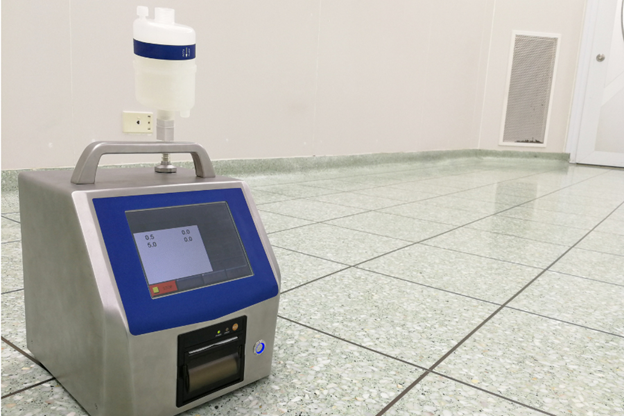
You work with sensitive liquids where even the smallest speck can disrupt quality. In pharmaceuticals, microelectronics, and advanced labs, there is no room for error. That is why you depend on a liquid particle counter to detect contaminants at microscopic levels. The device is powerful, but the way you use it determines its precision. In this guide, you will learn how to prepare, handle, calibrate, and maintain your system so you get reliable results. With these steps, you can feel confident in your data, reduce audit stress, and know your teams are working with accurate information.
Know Your Machine Before It Knows Your Data
Before you start testing, you need to understand what your instrument can and cannot do. Study the detection range, the flow rate requirements, and the applications it was designed for. Some counters are best for ultrapure water and cleanroom testing, while others are built for oils or thicker liquids. Expecting a device to perform outside of its scope only sets you back.
Many teams now connect their counters to a larger contamination monitoring system. This creates real-time insights that flow across departments rather than staying isolated. It is also wise to check if your model meets ISO liquid particle measurement standards. These frameworks support your quality program and reassure auditors that your methods are dependable.
Clean Setup, Clean Results. Every Single Time
Accuracy begins with preparation. Rinse the fluid path with filtered solvent before you start. Always use containers that are certified clean. Place the unit in a stable environment where vibrations are low and airflow is controlled. Even small decisions about placement or timing can make your results stronger.
Room conditions also matter. Shifts in temperature or humidity can influence counts, and open containers invite airborne contaminants. Some laboratories add water cleanliness testing equipment to confirm that source fluids meet basic thresholds before analysis. When you manage your setup with care, you protect your results from outside interference.
Handle Samples Like They Are Worth Millions
Think about each vial as if it represents months of work or a full production batch. That perspective changes how carefully you treat it. Collect samples right before analysis, seal them, and limit their exposure to open air. Mix gently so particles are distributed evenly, but avoid shaking hard enough to create bubbles or break fragile clusters. Small lapses in handling can create big problems during review.
In sterile manufacturing, a pharmaceutical fluid particle counter becomes part of your compliance strategy. Careful technique is not just about good habits. It is about safeguarding patients, products, and your company’s reputation.
Calibration Is Not Optional. It Is Your Lifeline
Calibration proves that your numbers are trustworthy. Follow the manufacturer’s schedule and check performance with traceable standards such as polystyrene latex spheres. Always record your activities. Keep detailed logs of dates, materials, and results so you can show consistency during audits or investigations.
When tighter control is needed, a liquid particle size analyzer can help by showing particle distributions instead of simple counts. This deeper level of insight links calibration directly to product performance. Regular calibration is not extra paperwork. It is the backbone of accurate results.
People, Process, and Upkeep: Your Accuracy Moat
An instrument alone does not guarantee accuracy. People and process make the difference. Train every operator on preparation, setup, and troubleshooting. Write procedures that are clear and realistic, then reinforce them with practice and peer review. When your team understands why accuracy matters, standards become habits instead of chores.
Maintenance is just as important. Replace filters, tubing, and seals on schedule. Check sensors and flow paths for residue or blockages. Keep a record of every change so you can spot trends before they turn into bigger issues. Preventive servicing by certified technicians also helps you avoid costly downtime and delays.
Your environment should support your efforts. Keep your liquid particle counter away from vibration, maintain stable conditions, and align cleaning routines with laboratory standards. These steady practices build the protective barrier that keeps your data accurate.
Final Word
Accurate measurement is not achieved in a single step. It is the result of careful planning, consistent handling, and regular care. When you understand your instrument, prepare your setup, manage samples with care, and commit to calibration, your results remain reliable and repeatable. Your team gains confidence, audits become smoother, and products move forward without unexpected setbacks.
A liquid particle counter is more than an instrument. With the right practices, it becomes a trusted partner in your commitment to quality.
