

Education and Skill-Building Strategies for Successful Youth Reintegration
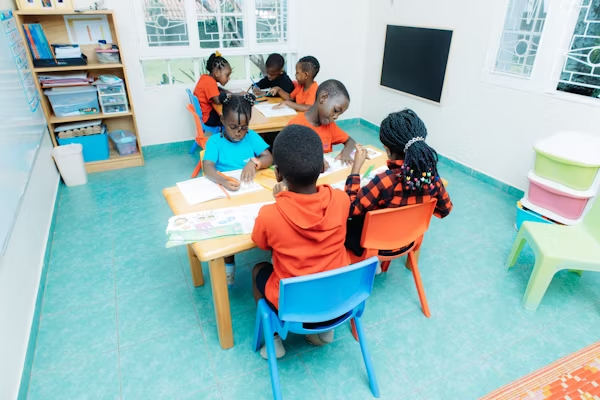
When it comes to supporting young individuals on their path to positive transformation, a strong juvenile rehabilitation curriculum plays a vital role. Education and skill-building are key elements that help youth reintegrate into society with confidence, purpose, and the ability to make healthier choices.
By focusing on academic growth, emotional development, and real-world skills, rehabilitation programs can prepare young people for a brighter future.
1. Academic Education as the Foundation
One of the most important components of any juvenile rehabilitation curriculum is academic education. Many young individuals entering rehabilitation programs have experienced disruptions in their schooling, which impacts their long-term opportunities. Providing structured academic classes helps them rebuild essential knowledge, improve literacy, and gain a renewed sense of accomplishment.
Education also instills discipline and routine, which are crucial for reintegration. Whether through traditional classroom instruction, online learning modules, or individualized tutoring, academic support ensures that youth can continue their educational journey and work toward earning a diploma or equivalent certification.
2. Vocational Training and Practical Skills
Education alone is not enough; practical skills are equally important for long-term success. That’s why vocational training is a major part of an effective juvenile rehabilitation curriculum. Programs may offer training in fields like carpentry, automotive repair, culinary arts, technology, and other hands-on careers.
These skill-building opportunities empower young people by giving them the tools to secure stable employment after reintegration. Vocational education not only enhances their abilities but also builds self-esteem and encourages them to envision a productive future.
3. Life Skills for Personal Development
Another essential benefit of a strong rehabilitation program is the development of everyday life skills. Young individuals often lack guidance in areas such as communication, problem-solving, financial literacy, and decision-making.
A comprehensive juvenile rehabilitation curriculum includes lessons that help youth navigate real-life situations with maturity and responsibility. Life skills training focuses on building emotional regulation, time management, conflict resolution, and healthy relationship habits.
4. Emotional and Behavioral Support
Supporting youth is not just about teaching academic or vocational subjects. Emotional and behavioral development is also central to rehabilitation. Many young individuals in these programs have experienced trauma, instability, or difficult family environments.
Counseling, mentorship, and therapeutic activities help them understand their emotions, identify negative patterns, and build healthier coping mechanisms. This emotional support prepares youth for reintegration by strengthening their resilience and self-awareness.
5. Community Engagement and Reintegration Support
Helping youth reenter society involves more than preparing them individually. Successful reintegration requires building connections with the community as well. A strong juvenile rehabilitation curriculum includes community service activities, mentorship programs, internships, and collaboration with local organizations.
These initiatives teach youth about responsibility, teamwork, and the importance of contributing positively to society. Reintegration support may also include career counseling, job placement assistance, or partnering with educational institutions.
Final Thoughts
Education and skill-building are essential for preparing young individuals for successful reintegration into society. A well-designed juvenile rehabilitation curriculum goes beyond academics to include practical skills, emotional development, and community involvement.
These programs equip youth with the tools they need to make meaningful changes, pursue productive futures, and contribute positively to their communities. When rehabilitation focuses on growth and empowerment, it creates lasting impact not only for the youth but for society as a whole.
