

Factors Affecting Rotary Airlock Valve Performance in Bulk Operations
xr:d:DAFtFDyfcp8:93,j:8790316231700571598,t:24011610
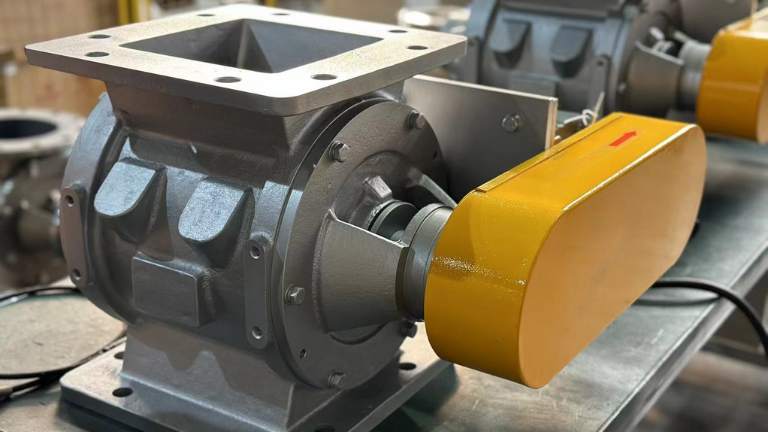
Bulk material systems depend on stable equipment that moves powder or granules without leakage or flow loss. The rotary airlock valvesplay an important role in maintaining pressure balance while feeding materials through controlled openings during continuous handling tasks. When several conditions influence equipment function, the entire conveying process may slow or stop. A proper understanding of operational elements helps operators maintain smooth material transfer with reduced wear. Careful observation of working conditions also supports longer equipment life.
Material Characteristics
Material size, density, moisture level, and particle shape influence how material passes through chambers, affecting sealing quality, rotation stability, wear rate, and overall reliability during continuous powder handling operations.
Rotor Clearance
Proper rotor clearance maintains sealing efficiency, prevents leakage, supports smooth rotation, reduces internal friction, protects equipment surfaces, and improves long term durability during continuous powder transfer tasks.
Speed Control
Rotor speed determines feed consistency. Excess rotation causes uneven discharge, material damage, pressure imbalance, increased wear, and unstable system flow within handling systems.
Sealing Efficiency
Good sealing prevents air leakage, maintains pressure difference, supports accurate material feeding, reduces dust escape, and protects nearby equipment from contamination during processing operations.
Wear Resistance
Internal surfaces face constant friction from moving particles. Durable construction materials reduce abrasion damage, extend service life, maintain stable rotation, and protect mechanical balance.
Temperature Influence
Temperature variations change material behavior inside chambers. Heat may expand parts, cold conditions may stiffen movement, both situations influencing sealing quality and rotation balance.
Maintenance Practices
Regular inspection identifies early wear, buildup, alignment problems, and damaged blades. Preventive service keeps equipment stable, improves reliability, and supports uninterrupted material transfer operations.
Common Operational Issues
Proper awareness helps prevent equipment trouble during handling tasks while supporting reliable discharge control inside pressurized conveying systems.
- Excess rotor clearance allows air leakage, which reduces pressure stability, causing irregular discharge during continuous powder movement through the equipment.
- Material buildup inside chambers restricts rotation movement, increasing friction, causing overheating, and surface damage, which weakens equipment reliability over time.
- Incorrect speed adjustment creates unstable feeding flow, resulting in uneven discharge pressure variation, which reduces process control across the system.
- Poor sealing components allow dust to escape, which contaminates the surroundings, reduces efficiency, and creates maintenance problems during extended operating periods.
- Lack of scheduled inspection increases unnoticed wear, leading to sudden equipment failure, which interrupts production continuity within material handling systems.
Effective equipment management requires careful monitoring of internal movement, proper alignment checks, timely servicing schedules, and controlled rotation speed. When operating conditions remain balanced, rotary airlock valvesdeliver stable feeding accuracy with minimal mechanical strain. Process managers should observe signs of leakage, unusual vibration, and gradual wear because early correction protects system stability. Regular clearance verification maintains chamber sealing while preventing airflow loss. Proper material evaluation before transfer helps reduce buildup problems.
FAQs
What is the main purpose of this equipment in powder systems?
It controls material discharge between pressure zones while preventing air leakage, ensuring steady powder transfer within enclosed conveying systems.
Why does material buildup create operational problems?
Accumulated particles restrict chamber movement, increase friction, raise temperature, and reduce sealing quality, causing unstable discharge during continuous handling processes.
How often should equipment inspection occur?
Routine checks during scheduled maintenance cycles help detect wear early, maintain stable movement, and protect reliability within powder conveying systems.
